Last Updated on 13/10/2025 by Raj
2026 Dacia Hipster: Europe’s Small EV That Makes a Big Impression
Get inside the 2026 Dacia Hipster, Europe’s budget-friendly electric city car. See inside, its power, safety, capability, price, pros & cons, and learn why this small EV is changing urban transport.
From Romania to European Streets: The Dacia Story
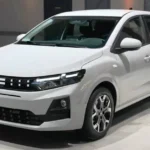
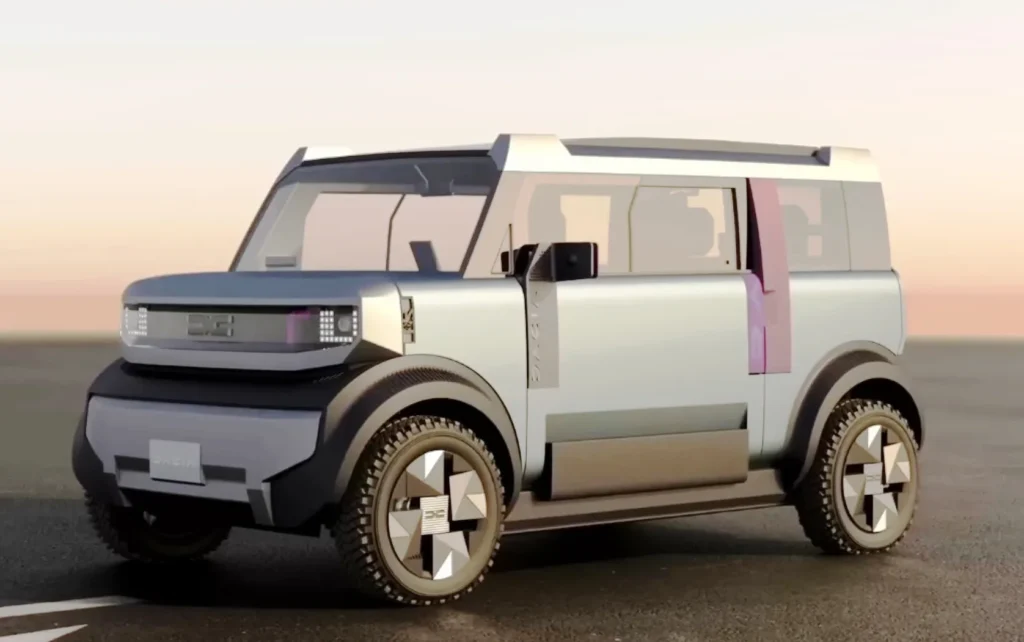
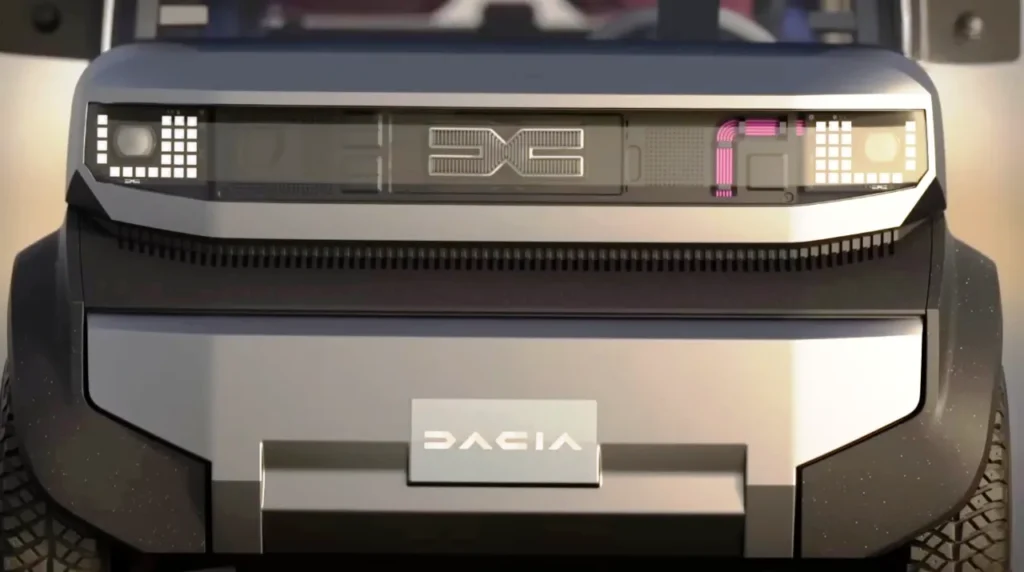
At the center of Europe’s ancient cities, where streets narrow between building centuries, parking a car resembles a Tetris game of high risk. It is here, in the midst of metropolitan pandemonium, that the 2026 Dacia Hipster appears—small, electric, and, inexplicably, endearingly irresistible.
Dacia, a Romanian brand dating back to 1966, has for decades been the people’s car. Its early days yielded robust no-frills vehicles, building a reputation for reliability at prices that could not be beaten. The jump forward to the 2000s found Dacia the marque of choice for value-for-money, functional cars throughout Europe. With the Duster SUV through to the Spring EV, the brand has continued to disprove the idea that quality is something only at a premium price.
The Hipster is the new book in this series—a city-oriented EV that pairs retro styling with electric technology of today. Its name conjures up personality and style, hitting the spot for young urban dwellers, green car drivers, and anyone else who wishes practicality with a dash of whimsy.
Interior and Build Quality: Luxury minimalism for urban living
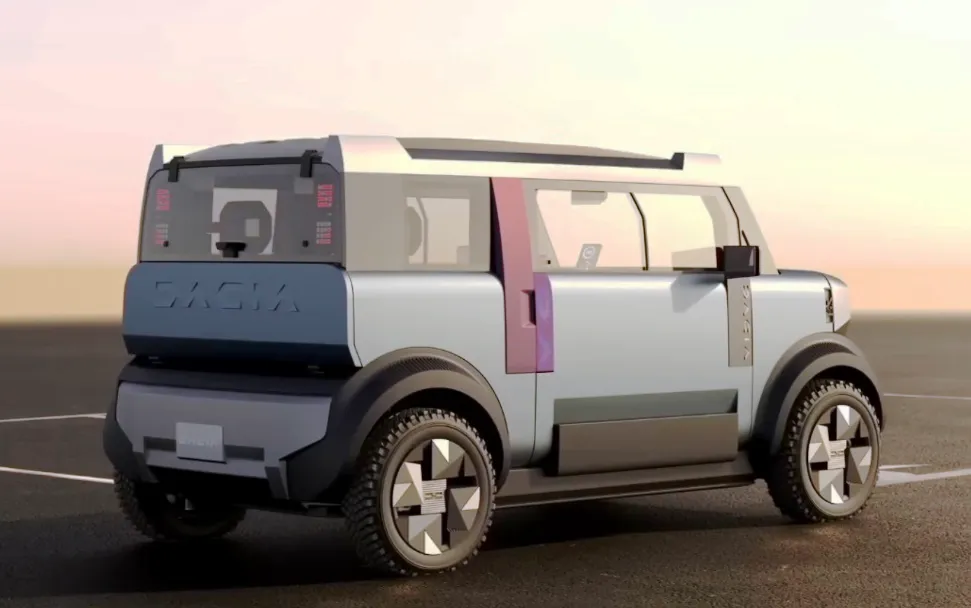
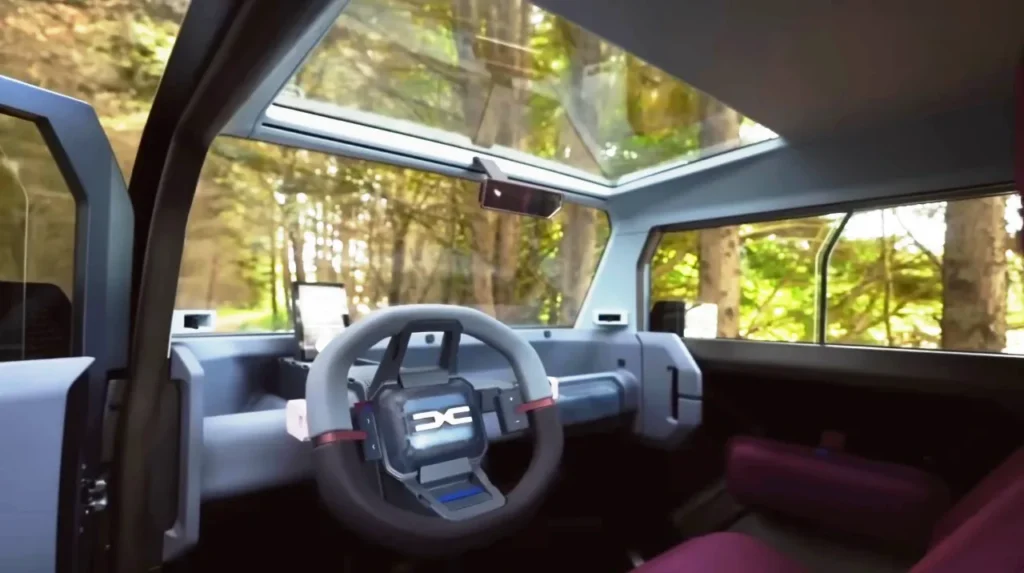
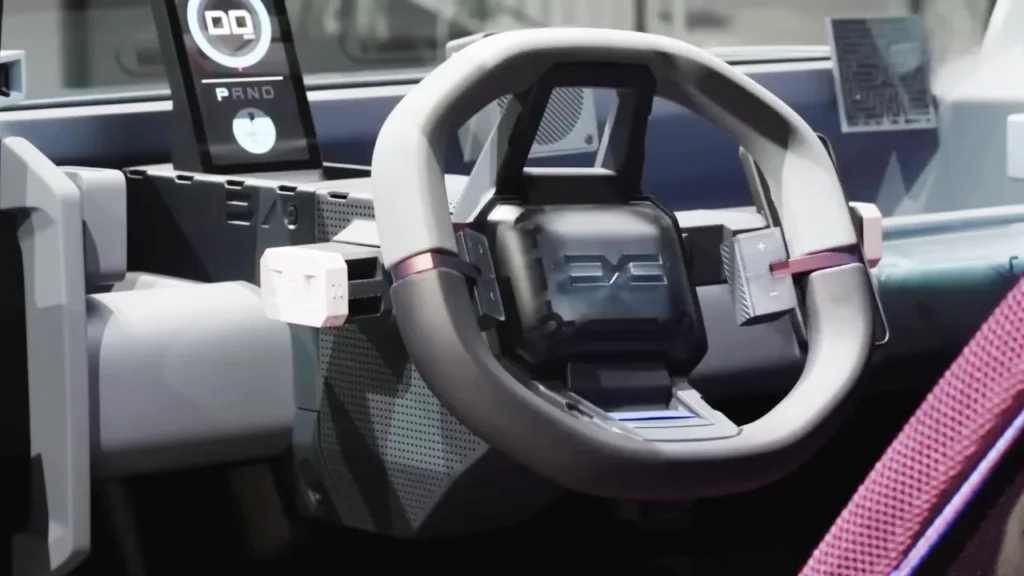
Step into the 2026 Dacia Hipster, and you instantly get the philosophy: “Simplicity done smart.” The interior is light, airy, and practical. Mesh seats are comfortable and light, and sliding windows introduce fresh air and a whiff of nostalgia. But this isn’t merely a nod to the 60s—the interior is designed for today’s life.
It’s centered around the You Clip modular system, a brilliant design that enables drivers to affix storage bins, cup holders, or eccentric accessories wherever they desire. Picture clipping on a mini coffee holder driving to work or a small gadget tray for your phone—it’s personalization without the premium price tag.
The smartphone docking system is also the infotainment key, combining navigation, music, and connectivity. Essentially, your phone is now the car’s brain, decluttering and streamlining functionality. The materials used are selected for strength, weight reduction, and eco-friendliness, and the result is a cabin that feels intelligent, purposeful, and unexpectedly intimate.
Performance: Nimble, Efficient, and City-Ready
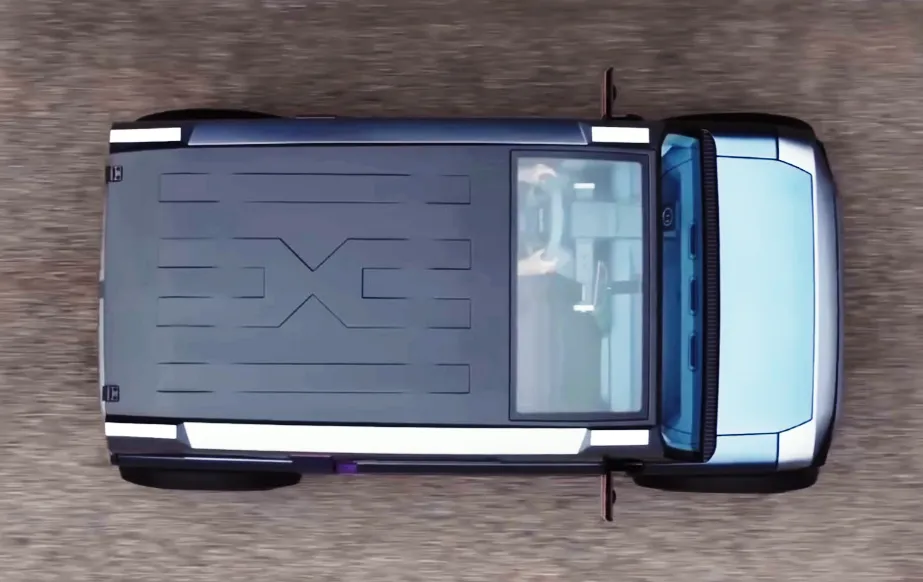
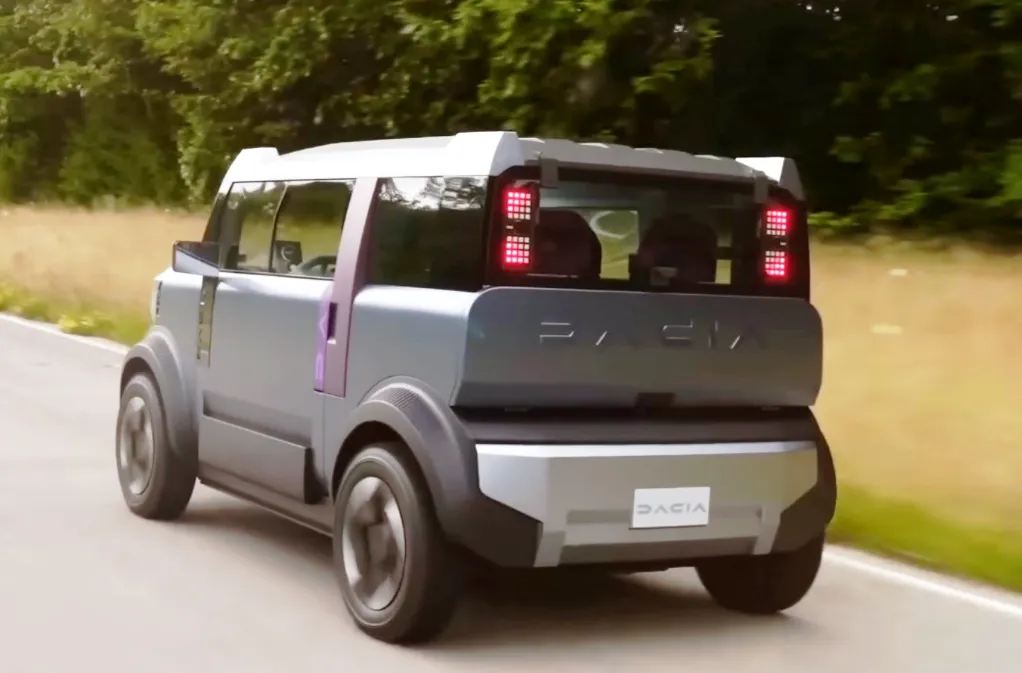
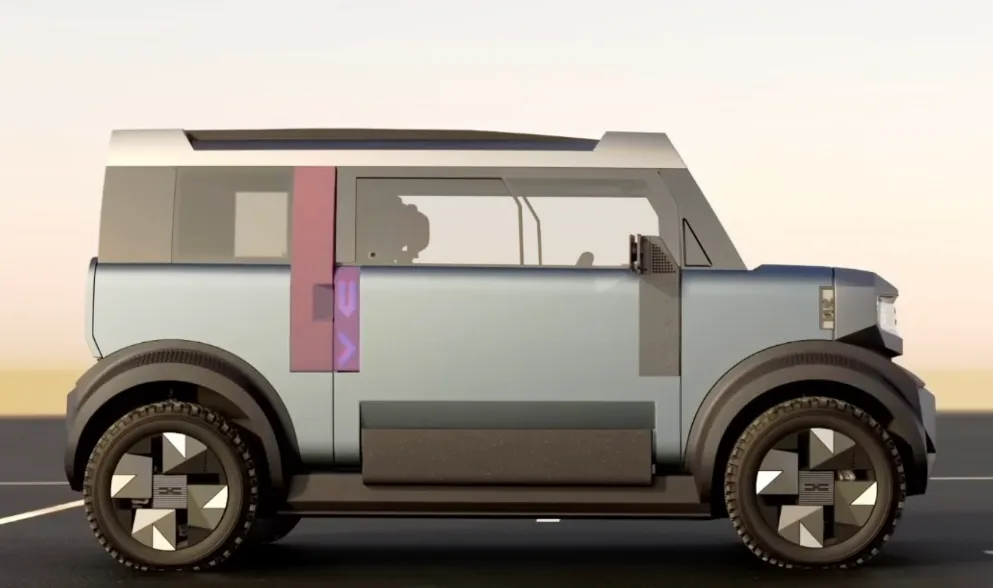
The Hipster is compact but impressively maneuverable. Its light weight, under 800 kg, and modest electric motor make it agile in narrow streets and congested traffic. Acceleration is easy and smooth, ideal for stop-and-go urban driving.
Battery range is approximately 150 km, perfect for daily urban commutes, grocery shopping, or weekend trips in city limits. The reduced weight enhances energy efficiency, equating to fewer charging and more urban bliss. For Parisian, Milanese, or Amsterdam urban roads, the Hipster seems deceptively magical—fitting into narrow spots where bigger cars will not.
Safety Features: Safeguarding You Without Compromise
Even though it’s small and affordable, safety isn’t sacrificed. The Hipster features:
Strength-enhancing chassis construction
Driver and passenger airbags
ABS brakes for smooth braking
Electronic Stability Control for controlled cornering and slippery roads
Parking sensors to make tight European street maneuvers easier
It doesn’t offer all the luxury amenities of more expensive EVs, but for its urban market focus, it offers reassurance, marrying functionality with needed protection.
Capabilities: The Ideal Urban Friend
The 2026 Dacia Hipper outshines where urban living requires adaptability:
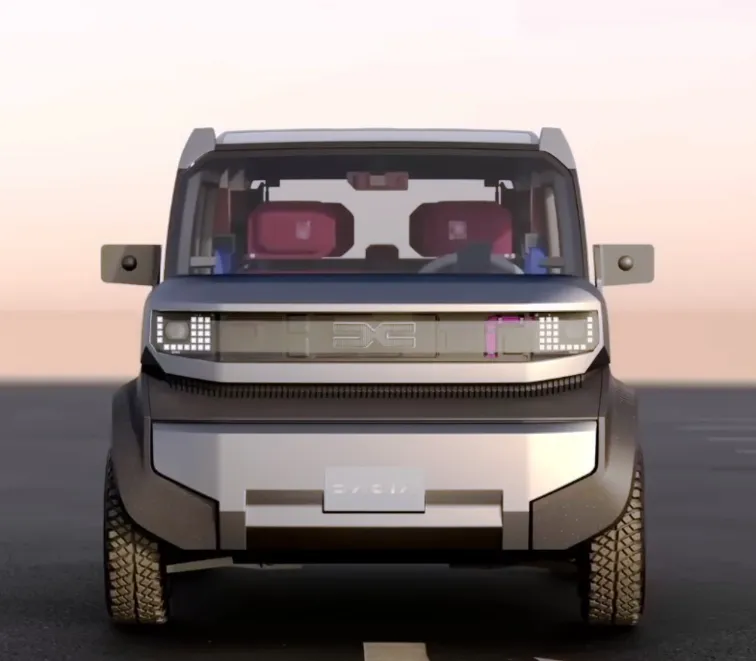
Parking Masterclass: Its short 3-meter length renders parallel parking a piece of cake.
Manoeuvrability: Bending around tight corners, navigating narrow alleys, and fighting through busy market stalls is not a problem.
Eco-Friendliness: Lightness results in reduced energy use and lower environmental footprint.
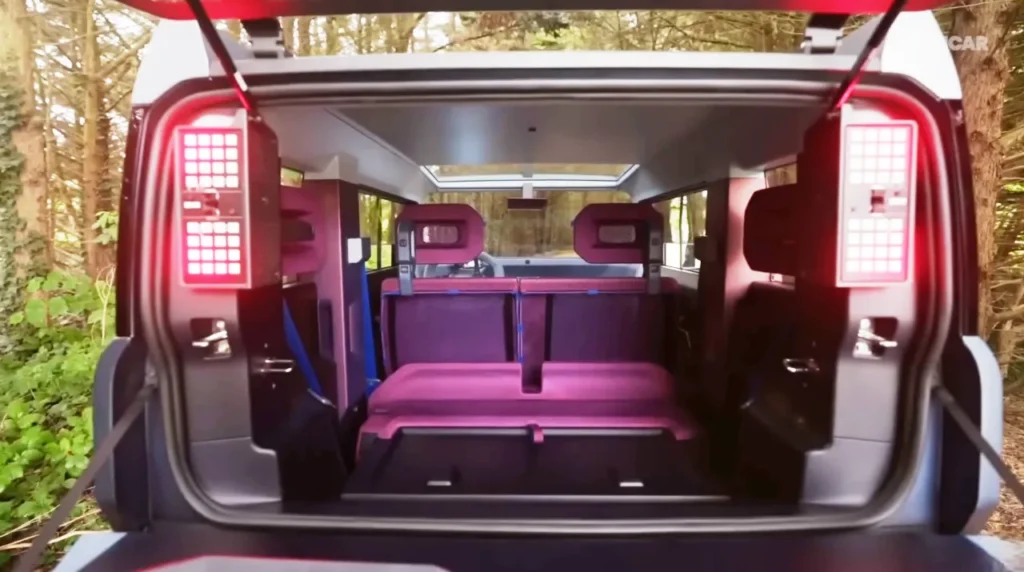
Practicality for Daily Life: Perfect for small families, students, or single commuters in busy cities.
But highway heroics or off-road escapades are not to be expected. The Hipster is a city car first and a compact urban workhorse second—a small but efficient vehicle for urban Europe.
Pricing and Availability: Affordable Electric Mobility
That’s the headline-maker: the 2026 Dacia Hipster will be priced under €15,000, which will make it the cheapest full-sized EV in Europe. Compare this to most compact EVs, which begin at €25,000 or more.
Availability will be in large European markets with proven EV infrastructure: France, Germany, Spain, Italy, and Benelux nations. Production on a mass scale would rely on EU approval of a new microcar category identical to Japan’s Kei Cars. This would enable Dacia to further cut equipment and weight, preserving safety at minimal cost.
Pros and Cons: The Full Picture
Pros:
- Unbeatable affordability for a full EV
- Compact size perfect for European city roads
- Lightweight construction enhances efficiency
- Creative, modular interior with “YouClip” system
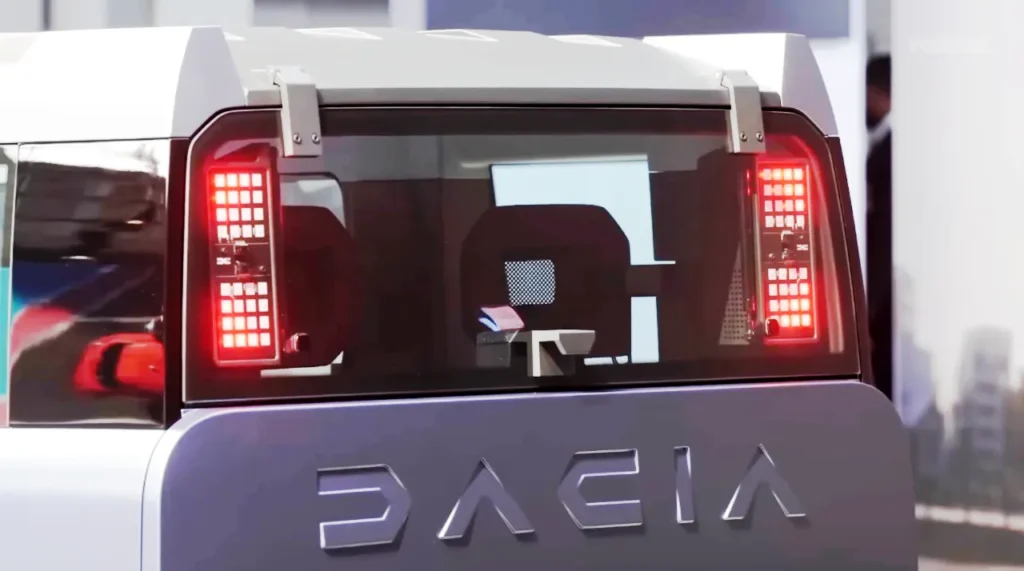
- Retro-style looks that are unique
Cons:
- 150 km limited range
- Low luxury and high-tech features
- Not ideal for long-distance use
- Production subject to regulatory approvals
Lifestyle Perspective: Why the Hipster is Perfect for Modern Europe
Imagine your morning: you leave your Lisbon apartment, hop into your Hipster, and zip along cobblestone streets to your favorite café. You park in an instant, skipping the headache of multi-level parking garages. Your modular “YouClip” carries your laptop, coffee, and re-useable shopping bag. With no emissions, you feel good about your carbon footprint—and your wallet is appreciative of the low energy bills.
The Hipster is more than a vehicle; it’s a statement about how one chooses to live. It says to the world: “I appreciate practicality, sustainability, and a dash of whimsy.” With its retro-futuristic looks and sunny demeanor, it is ideal for social media captions, city wandering, and short adventures that are crammed into the day-to-day.
Last Word: Little EV, Big Impact
The 2026 Dacia Hipster is a small electric wonder with vast potential. It’s not luxury, speed, or range-hopping adventure. It’s functional, pocket-friendly, and design-led for urban living. To European urban dwellers in search of sustainable mobility without denting their wallets, it’s a no-brainer.
Small in size but ambitious in spirit, the Hipster demonstrates that EVs needn’t be costly or overly complicated. It is an urban car with a mission, charm, and personality: to bring electric mobility within reach of all.
FAQ: Everything You Need to Know
Q1: What is the range of the Dacia Hipster 2026?
A1: Around 150 km on a full charge. Ideal for city driving.
Q2: How much does it cost?
A2: Pricing should be below €15,000.
Q3: Is it highway or long-distance travel suitable?
A3: Urban commuter-oriented; not engineered for long travel.
Q4: Which are the first countries to get it?
A4: France, Germany, Spain, Italy, and other large European cities.
Q5: What makes the interior stand out?
A5: Modular “YouClip” system, mesh seating, sliding windows, and smartphone-docking infotainment.
Q6: Who is Hipster most suited for?
A6: Urban residents, environmentally friendly commuters, students, small families, or anyone seeking low-cost, convenient EV mobility.