The 2025 Nissan Leaf: Europe’s Electric Revolution Goes Live
Get an in-depth, magazine-style review of the new 2025 Nissan Leaf in Europe: design, performance, interior, safety, features, prices, and real-world abilities. A comprehensive guide for EV fans.
Image source web
Introduction – From Humble Hatchback to Electric Icon
It was a quiet day back in 2010 when a humble, little hatchback rolled into European roads—the Nissan Leaf. It did not roar like a sports car, nor did it own the SUV segment, but it did. It did carry something far larger: a vision of an electric, cleaner future. Drivers were hesitant at first; EVs were a niche market, ranges were brief, and charging stations were scarce. But the Leaf discovered its following, painstakingly creating a following of early adopters who saw the potential of electric mobility.
Flash forward to 2025. The Nissan Leaf is no longer the shy pioneer. The new Leaf is assertive, streamlined, and boldly positioned as a crossover electric vehicle that combines city dynamism with long-distance usability. European motorists now have access to a vehicle that reflects Nissan’s transformation from tentative EV experiments to advanced, practical, and desirable electric cars.
This is not another electric vehicle—it’s a tale of transformation, aspiration, and innovation. It’s a vehicle for the real world, where city traffic congestion, Autobahn speed, and road trips on weekends converge.
Image source web
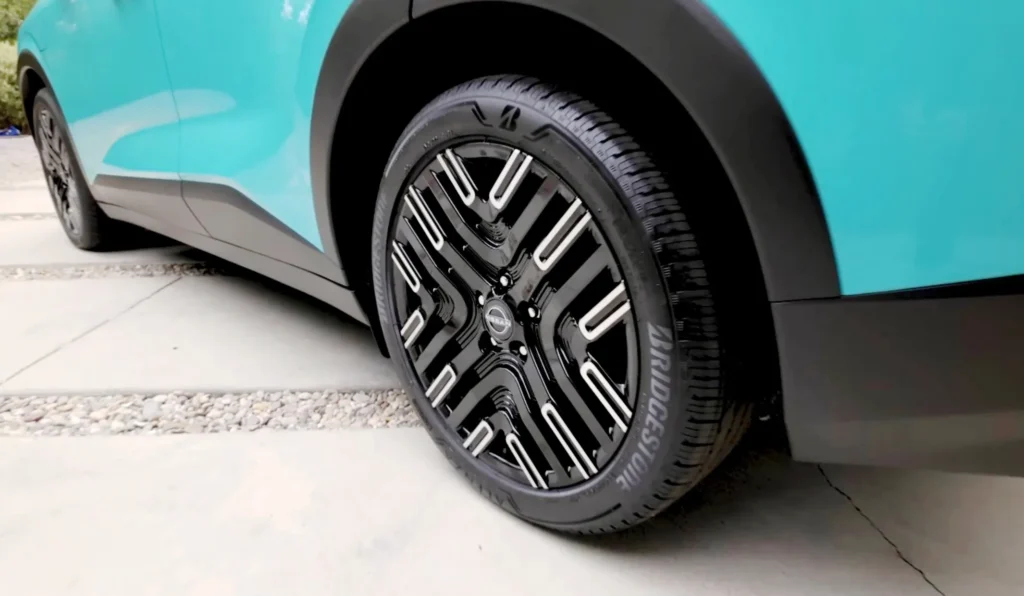
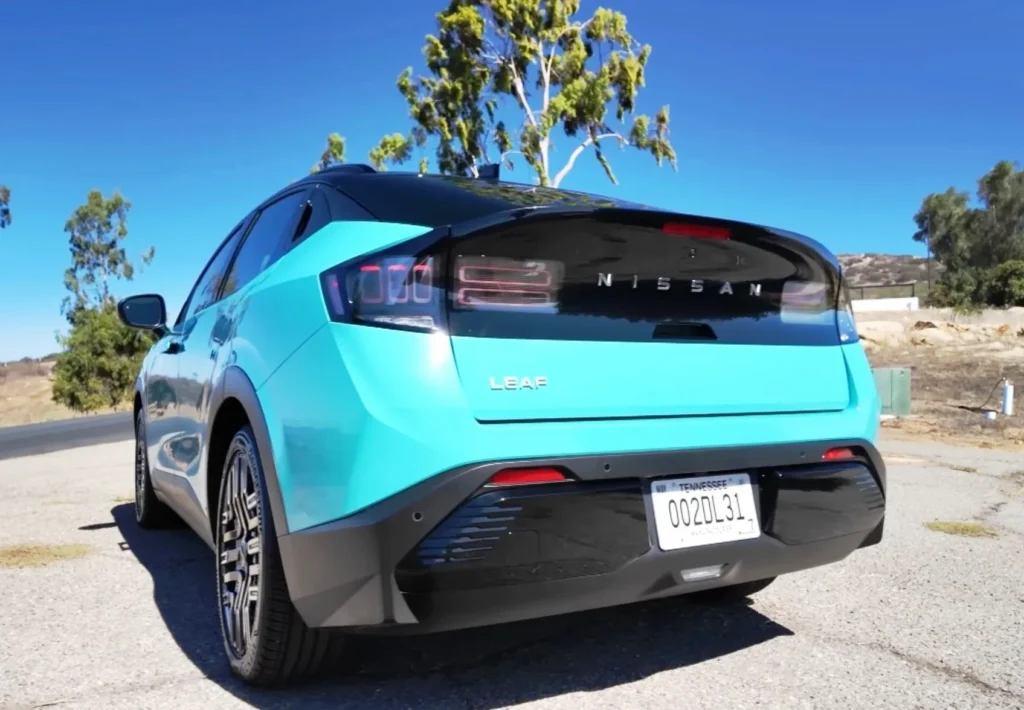
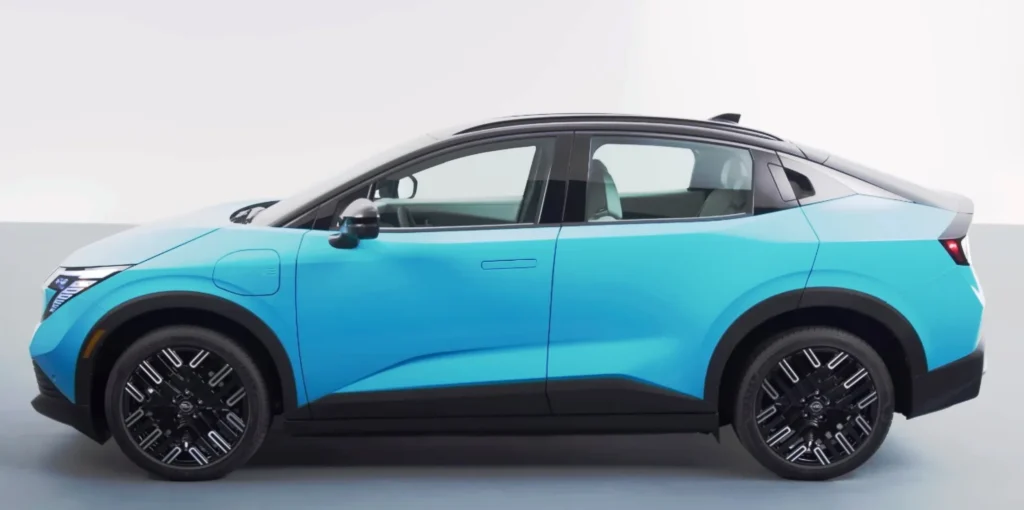
Exterior Design – Aerodynamics Meets Personality
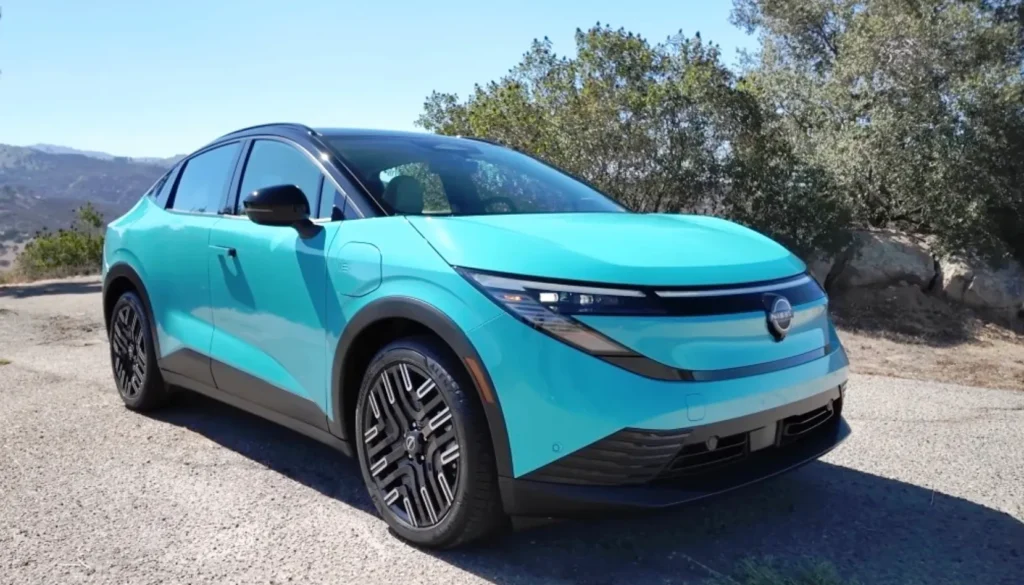
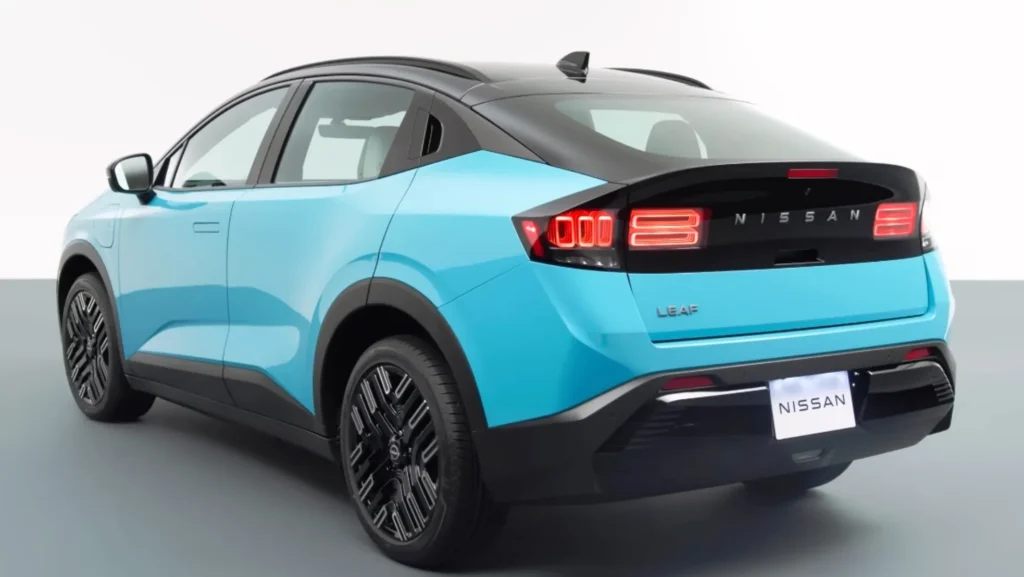
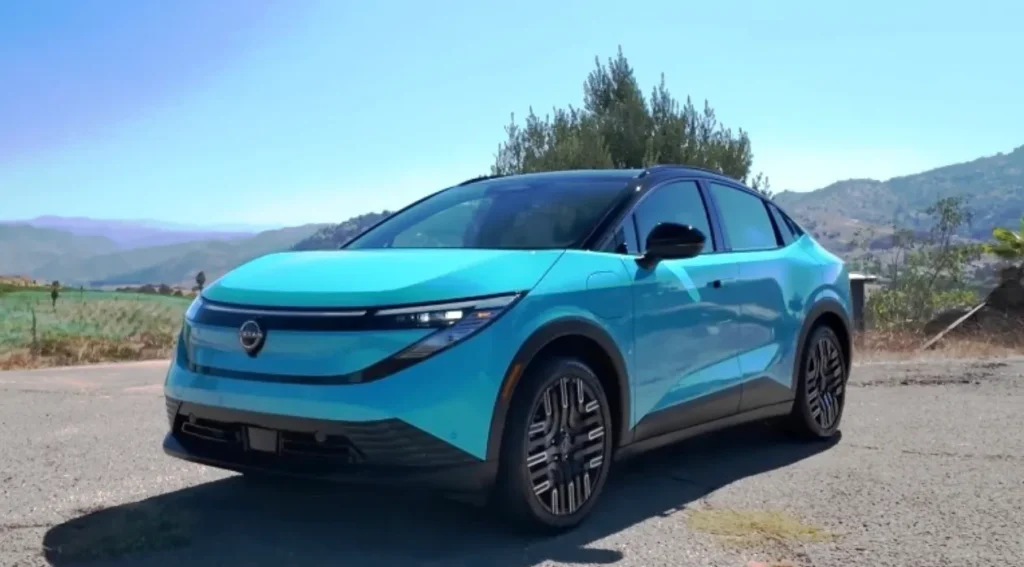
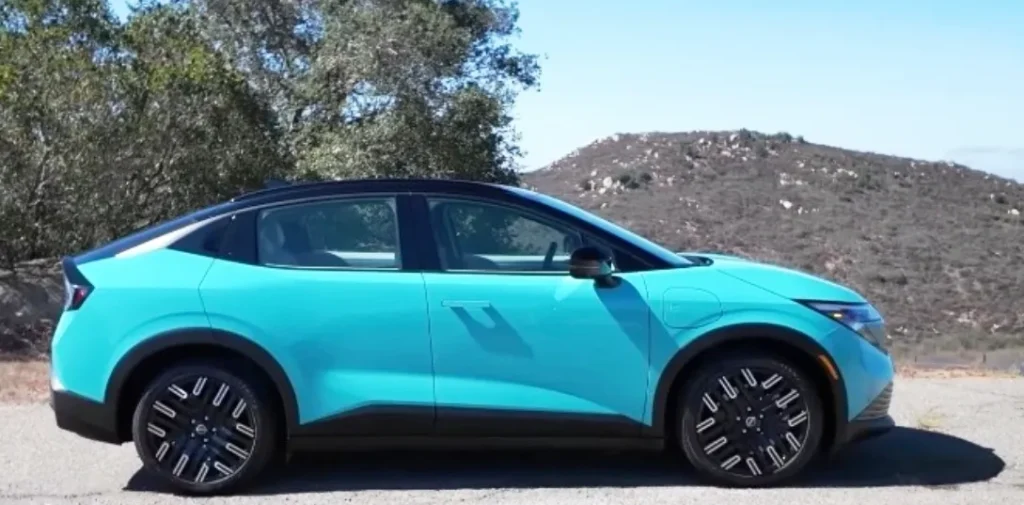
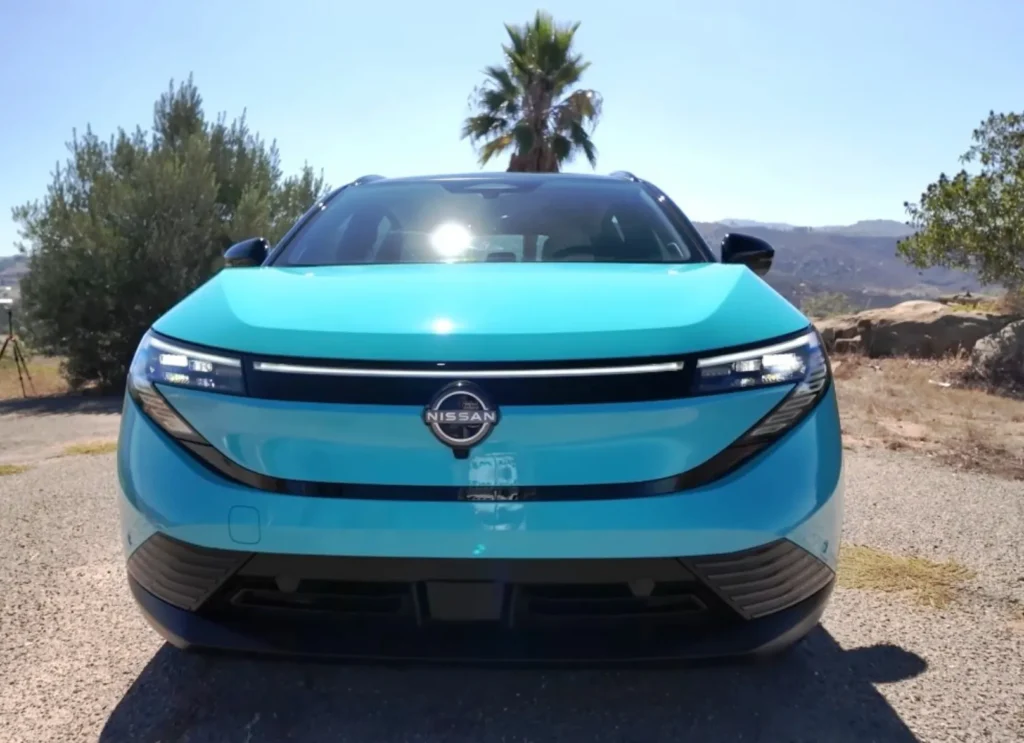
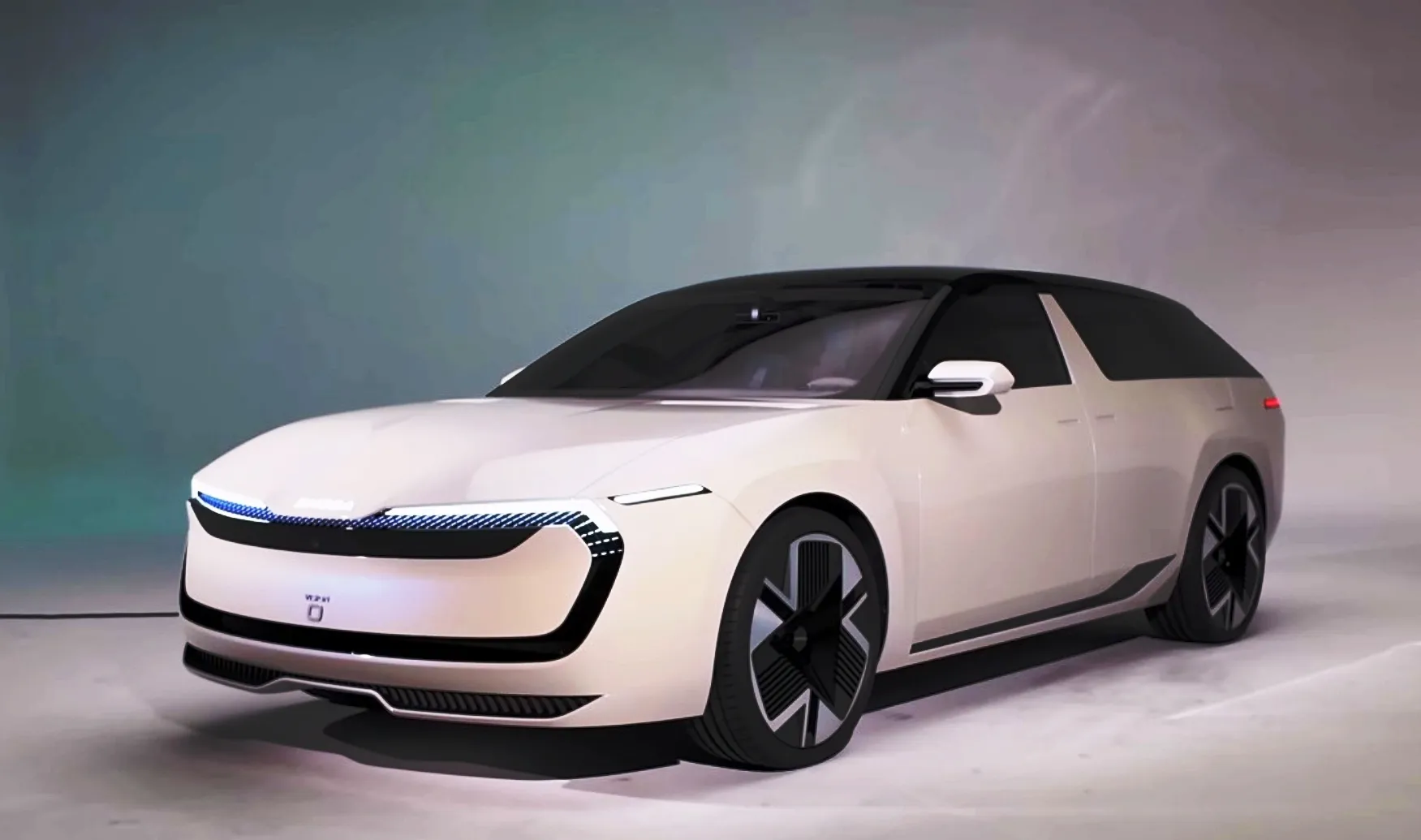
Consider the 2025 Leaf, and the transformation is unmistakable. The idiosyncratic hatchback shape of the original is gone. Instead: fluid lines, aggressive stance, and aerodynamic shapes that whisper fuel efficiency while suggesting power.
Crossover Influence: A higher roof and longer wheelbase enhance interior room without sacrificing quickness.
Signature Nissan Styling: V-motion grille, LED lights, and sinuous shapes that beckon the eye.
Aerodynamic Efficiency: Each curve is optimized to reduce drag, enhancing range and stability at increased speed.
It’s a car that garners attention without overdoing it—a delicate balance in EV design.
Image source web
Interior – Comfort, Technology, and Human-Centric Design
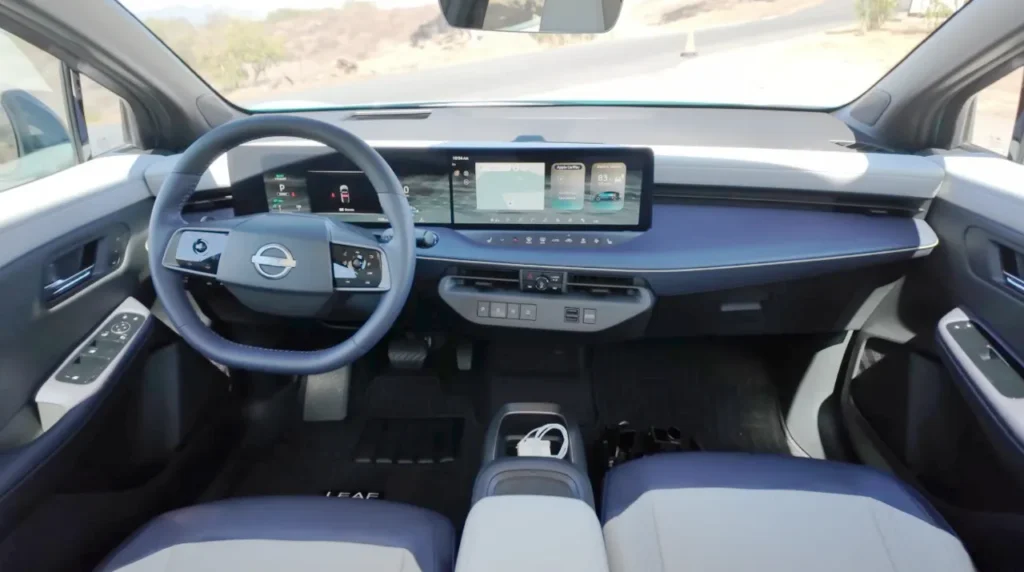
Step inside, and the 2025 Leaf now seems to have matured into its own identity. Nissan has taken the experiences of more than a decade of EVs and honed them with care. The interior is considerate, ergonomic, and quite roomy for a car in this class.
Materials & Build Quality: Soft-touch points, gentle chrome trimmings, and crisp stitching impart a premium atmosphere.
Seating: Shiftable lumbar support, supportive cushioning, and generous rear seats reduce fatigue on long drives.
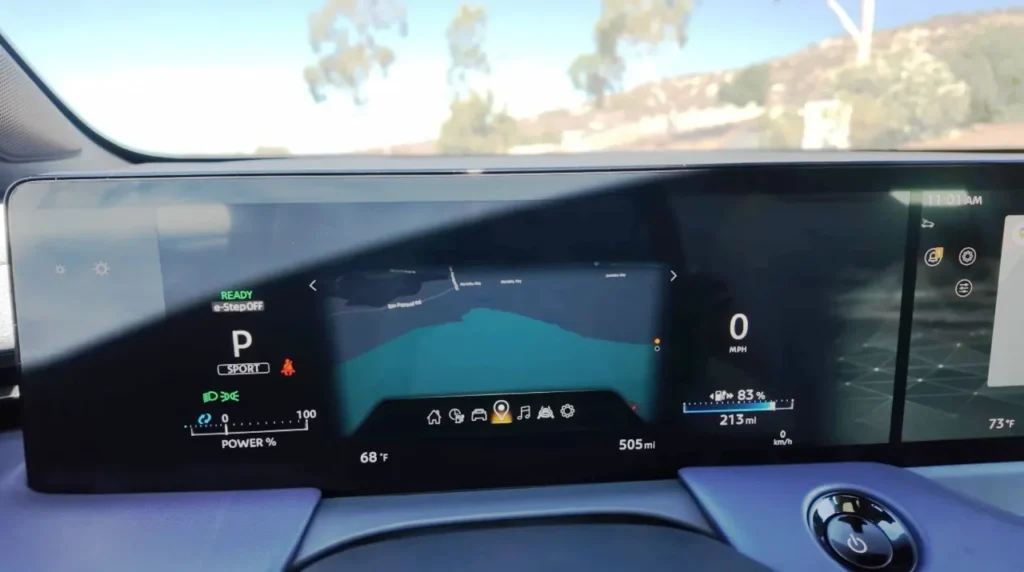
Infotainment & Connectivity: Large, sharp touchscreen brings Google Maps, Assistant, and media streaming. Wireless Apple CarPlay and Android Auto make drivers connected without wires.
Driver Assistance & Safety Tech: ProPILOT Assist, e-Pedal Step, 3D surround-view cameras, adaptive cruise control, and lane departure warning give confidence in city and highway driving.
Cargo Space: Fold-down rear seats provide flexible storage space, making grocery shopping, weekend getaways, or that impromptu Ikea trip a snap.
Overall, the cabin has a smart and logical feel about it—the sort of interior where every control feels intuitively where it ought to be.
Image source web
Performance – Efficient, Responsive, and Enjoyable
The Leaf is an EV that doesn’t merely strive for efficiency—it achieves it with a dash of pleasure.
Battery Options:
52 kWh battery: 130 kW motor, 0–100 km/h in ~7.5 seconds, WLTP range ~440 km.
75 kWh battery: 160 kW motor, 0–100 km/h in ~7 seconds, WLTP range ~622 km.
Charging: Fast DC charging to 150 kW, AC charging to 11 kW.0–80% in ~30 minutes on fast charger.
Driving Experience:
Urban traffic: instant torque and sharp steering make city driving a breeze.
Highways: written at pace, suspension absorbs bumps but keeps control.
Cornering: stability control provides confidence on twisty European roads.
For daily commuting and weekend getaways, the Leaf strikes a balance of efficiency with driving fun—a balancing act that many EVs, preoccupied with range only, lack.
Image source web
Safety Features – Advanced Protection for Every Journey
Safety in the Leaf is comprehensive. In addition to airbags and strengthened structure, Nissan outfits the car with technology that actively minimizes risk:
ProPILOT Assist: Semi-autonomous assistance for traffic congestion and highway cruising.
Sustainability: Zero tailpipe emissions, lower running expenses, and qualification for urban EV incentives.
In short, it’s not a city car—it’s a versatile, sensible partner to everyday life.
Image source web
Pricing and Availability – Affordability and Competitiveness
The Leaf is still an intelligent choice for European drivers:
52 kWh variant: ~€37,000
75 kWh variant: ~€42,000
Availability: Pre-orders from late 2025, deliveries in early 2026.
Government subsidies in Germany, France, the Netherlands, and the UK can further lower costs, making it affordable to urban professionals, families, and environmentally friendly buyers.
Image source web
Pros and Cons
Pros:
Long-range WLTP up to 622 km
Modern, sophisticated styling to suit European tastes
Advanced driver-assist technology and advanced safety features
Practical and spacious interior
Cons:
Range will be less in real-world driving conditions, particularly during winter
Limited rural charging facilities in some areas
Not optimized for high-performance driving enthusiasts
Image source web
Real-World Insights: Navigating the Leaf in Europe
Picture driving through Florence or Brussels’ historic streets. The Leaf’s tiny-but-maneuverable nature makes squeezing into congested parking areas a breeze. Across the continent, the 75 kWh battery means one can make the easy drive from Berlin to Amsterdam without constant halts. In Hamburg and Lyon, charging points are abundant, but country roads will still require some strategizing.
The cabin’s quietness invites conversation or music without raising voices. The technology anticipates your needs: adaptive cruise control adjusts to traffic flow, e-Pedal Step makes stop-and-go traffic less tiring, and driver assistance systems offer an extra layer of confidence.
Image source web
Final Verdict – Europe’s Practical EV Hero
The 2025 Nissan Leaf is not just a car—it’s a declaration. It is the culmination of Nissan’s transition from early EV trailblazer to contemporary electric leader, where form, efficiency, security, and comfort coexist harmoniously. For Europeans in need of a pragmatic, fun, and environmentally friendly EV, the Leaf represents an exciting option. It’s affordable, dependable, and prepared for the real world, demonstrating that electric vehicles don’t have to sacrifice personality or functionality.
Image source web
FAQ – 2025 Nissan Leaf Europe
Q: What is the top-of-the-range?
A: Up to 622 km WLTP on the 75 kWh battery.
Q: When in Europe?
A: Pre-order late 2025, deliveries early 2026.
Q: How quickly does it charge?
A: Up to 150 kW DC fast charging, 15%–80% in ~30 minutes.
Q: How many people can it carry?
A: Comfortable room for five with flexible load space.
Q: Is it suitable for motorway driving?
A: Yes, with ProPILOT Assist, 360° Safety Shield, and strengthened chassis.