Last Updated on 10/10/2026 by Raj
Toyota Urban Cruiser Ebella
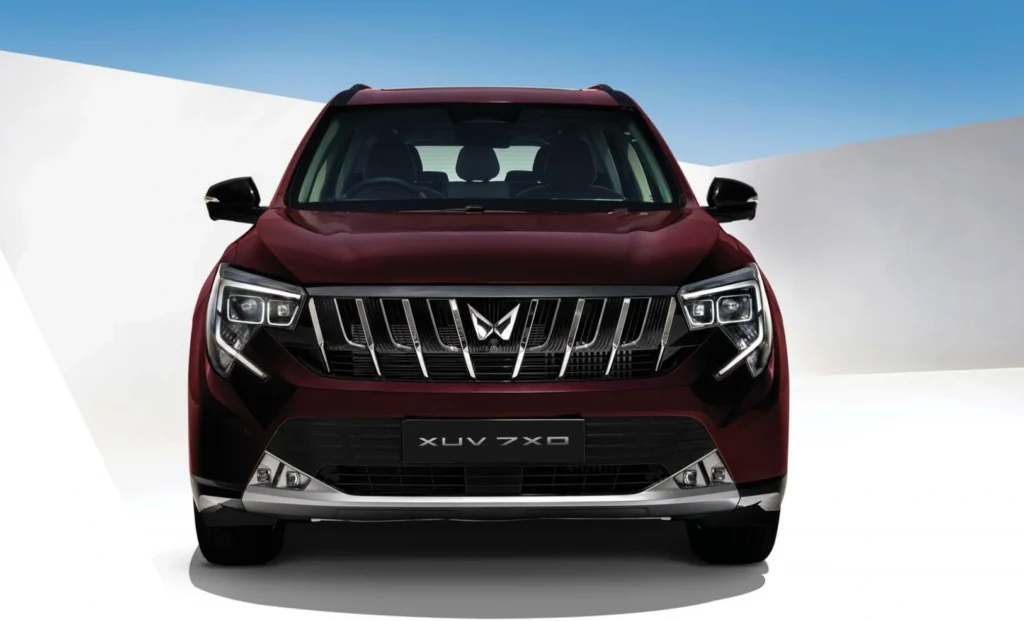
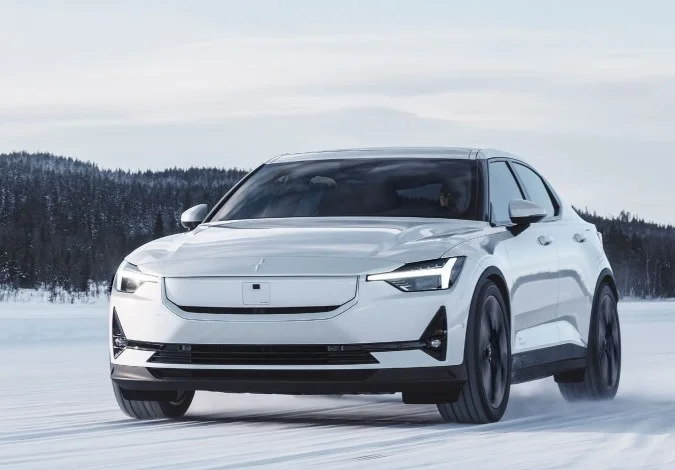
Toyota has finally launched its all-electric car in India with the Toyota Urban Cruiser Ebella. Sharing its platform with the Maruti Suzuki e-Vitara, It offers range, practicality and Toyota’s reliability. But in a crowded EV market, and competitor like MG Windsor, Tata EV, Vinfast VF6, Hyundai Creta Electric and Mahindra EV, can it stand apart?
Intro:
In recent years, electric cars have been gaining a massive popularity in the world. Big manufacturers such as Tata, Mahindra, Hyundai, Kia, and MG have already launched EVs in the market. Many of these cars have good success and sales. After missing out for long Toyota has finally entered this space with the Urban Cruiser Ebella. It’s jointly built with Suzuki, and this is a rebadge version of the new e Vitara.
It stands apart with its different exterior design and cabin experience. Toyota has a long experience with electric and hybrid cars overseas. It uses a single motor at front, and comes in two battery pack options a 49kWh and 61kWh across three variants. The name Ebella is bit polarizing like the Toyota Corona – a good name until the world changed in 2020.
The Japanese car maker has launched the Urban Cruiser Ebella electric crossover for India and global markets, and in India, it will compete in a segment which already has many established and successful players, like the Hyundai Creta Electric, MG Windsor & ZS EV, Mahindra XUV400 and Tata Curvv EV. The car uses the HEARTECH-e platform developed by Suzuki for electric Vehicles, and even the Ebella is built at the Maruti Suzuki factory.
It offers with two Lithium-iron phosphate battery pack options – 49 kWh and 61 kWh. The E1 trim makes 142 BHP & 193 Nm of torque and has a claimed range of 440 km. The E2 and E3 variants make 172 BHP & 193 Nm of torque and have a claimed range of 543 km.
Badge engineering is a bitter truth in the car industry, sometimes it feels like a shortcut and sometimes it feels unnecessary, but it reveals a deeper view about the market it is built for. Under the skin, it shares the same architecture, battery and drivetrain system of the Suzuki e-Vitara. What makes the Toyota Urban Cruiser Ebella different is not the engineering, but the Toyota’s trust.
Design: Toyota Urban Cruiser Ebella
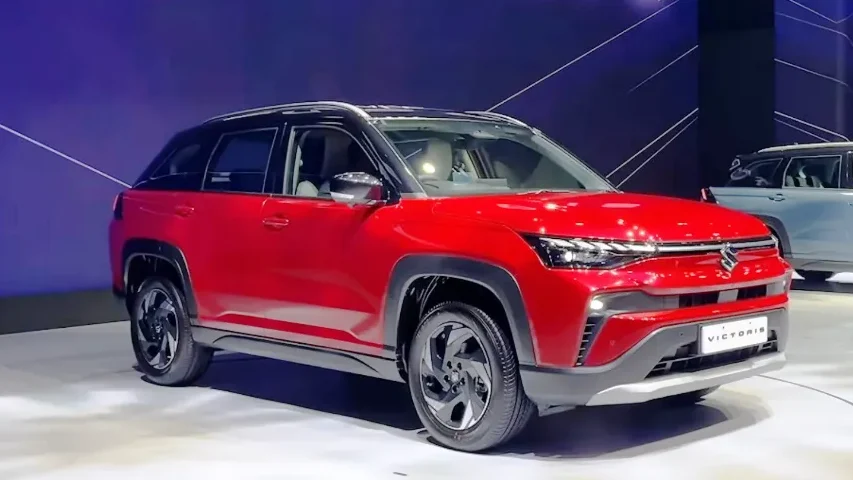
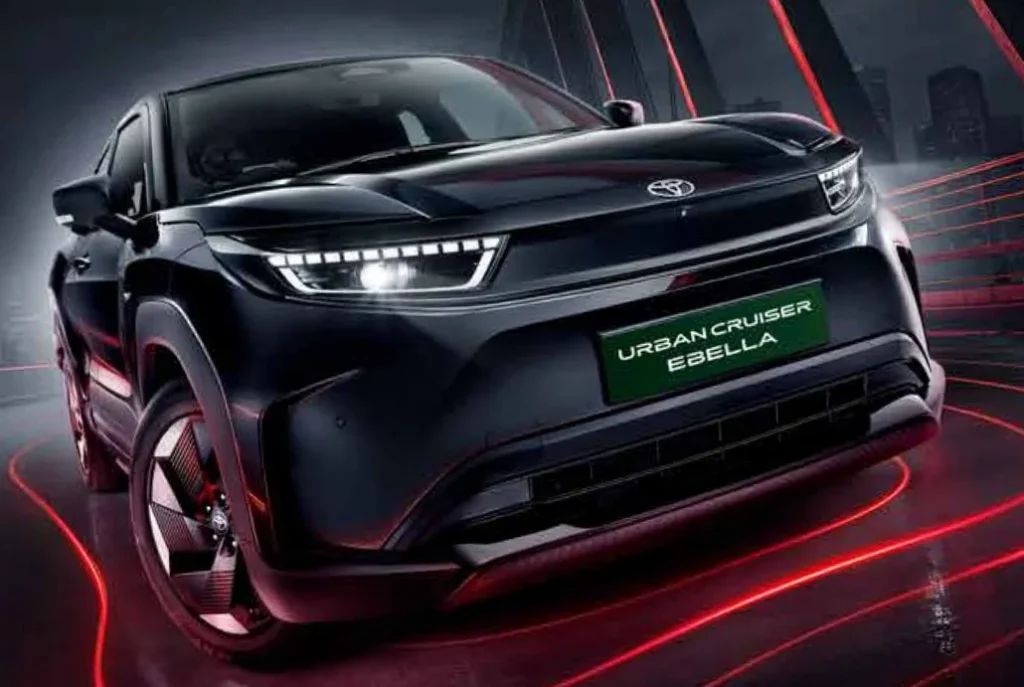
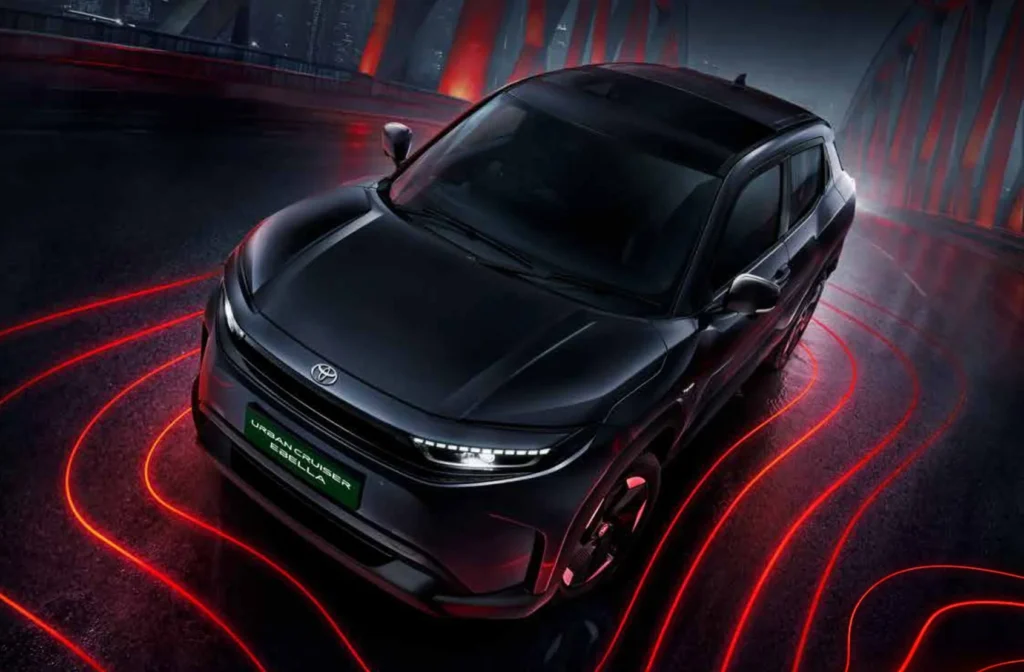
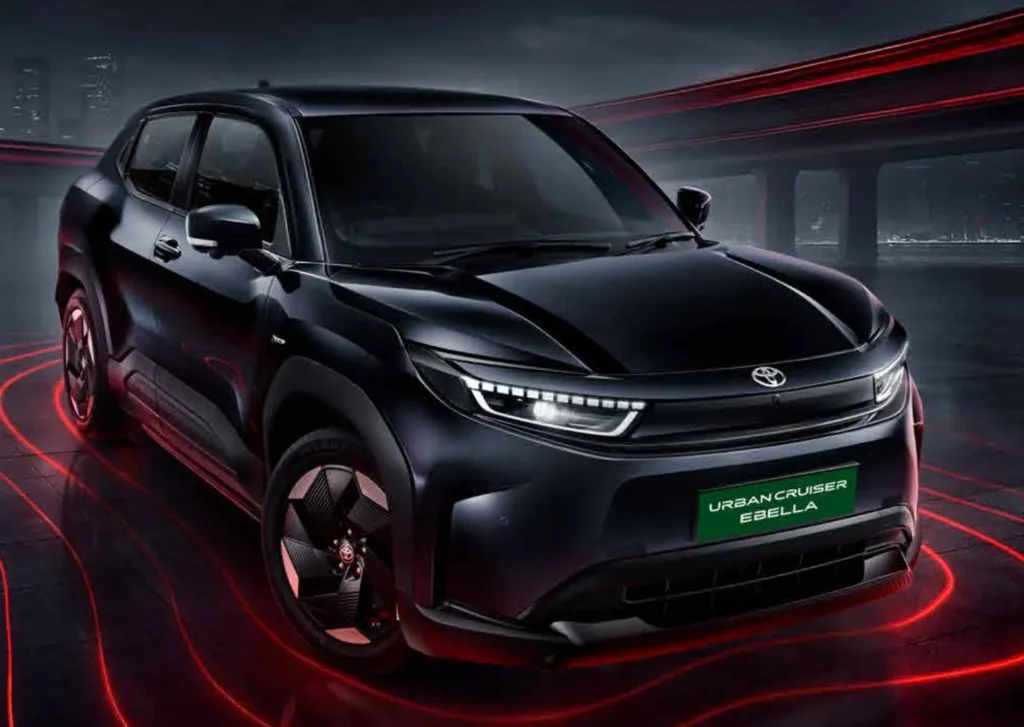
The name Ebella is from the Italian, Spanish and Latin word ‘bella’, it means beautiful, but looks are subjective. The Ebella is based on Toyota’s new Urban Tech module and gets the signature ‘Hammerhead’ front design now use in all global Toyota products.
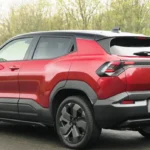
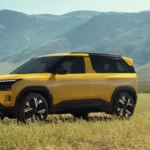
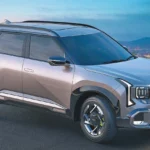
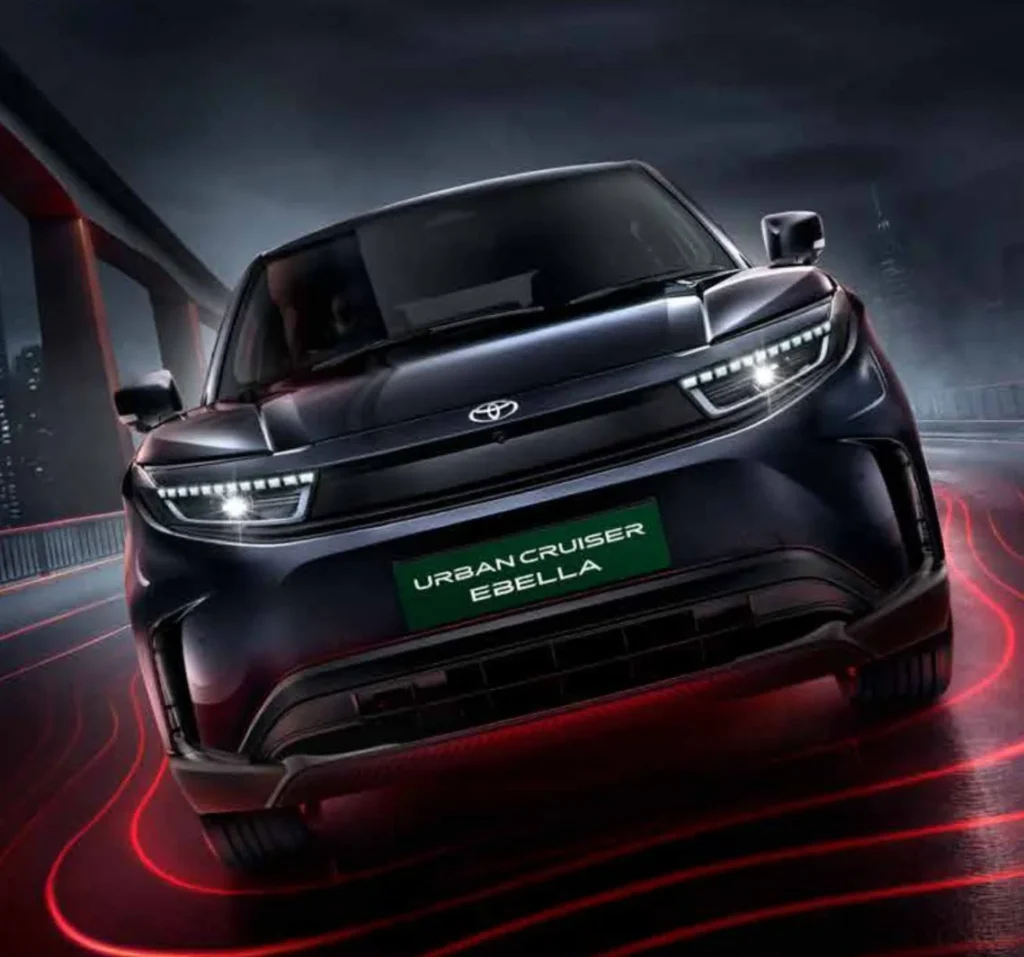
The car appears muscular and rugged. At the front, it gets a redesigned fascia that is much cleaner and more cohesive than e Vitara. The headlamps come with single projector setup with LED DRLs, with a black panel running between them, a thick bumper housing a black vertical air intake. On the sides, silhouette, character lines are very identical to the e-Vitara.
Even the alloy wheel design is same, also it gets flared wheel arches, black plastic cladding, 18-inch alloy wheels and the rear door handles mounted on the C-pillar. At the rear, the lighting setup is slightly tweaked, and overall, this is not a dramatic redesign. It got a shark-fin antenna, high-mounted stop lamp, rear spoiler.
The electric powertrain is housed under the bonnet, so it doesn’t offer a front storage space a frunk. Though it comes equipped with a front camera and parking sensors, but the fog lamps are missing. It measures 4,285 mm in length, 1,800 mm in width and 1,640 mm in height, so it is shorter than the Creta electric but it is wider.
Its 2,700 mm wheelbase is among the longest in the segment, ground clearance stands at 184mm, though this is the lowest among its rivals. All trims come with 18-inch machine-cut dual-tone alloy wheels rides on 225/55-section tyres. The spare is a full-size alloy.
Safety:
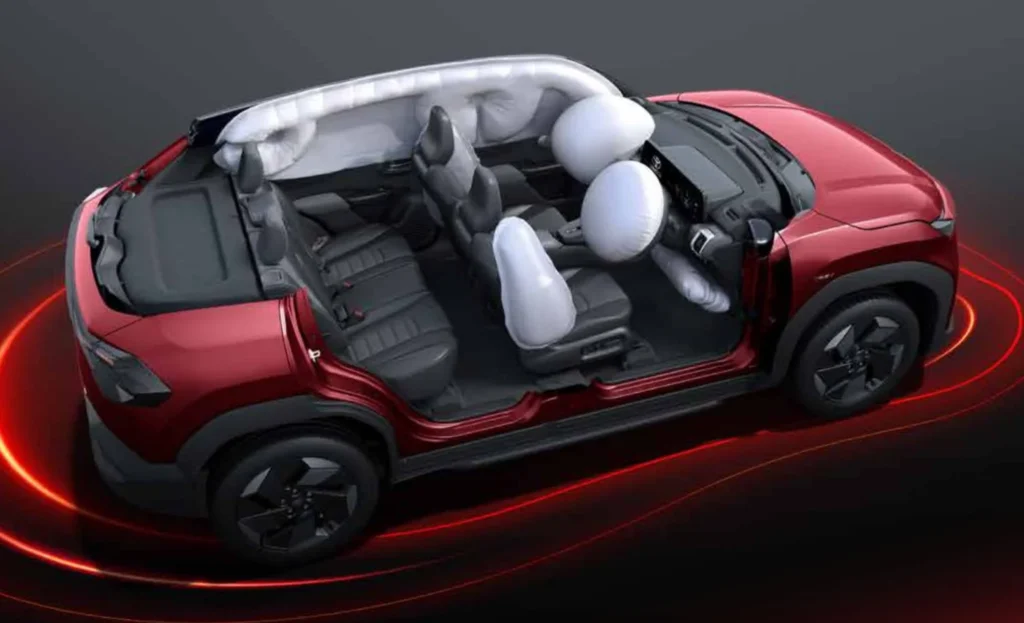
Safety features on the Toyota Urban Cruiser Ebella include seven airbags, all-wheel disc brakes. An acoustic vehicle alerting system, ABS, EBD, VSC, hill start assist, parking sensors, a 360-degree camera, TPMS, ISOFIX child seat anchors etc.
It offers Level 2 ADAS package, include lane keep assist, emergency braking, adaptive cruise control, and rear traffic alert.
For better rigidity its body shell now uses high-tensile steel. And battery thermal management ideal temperature range for the battery pack.
Cabin:
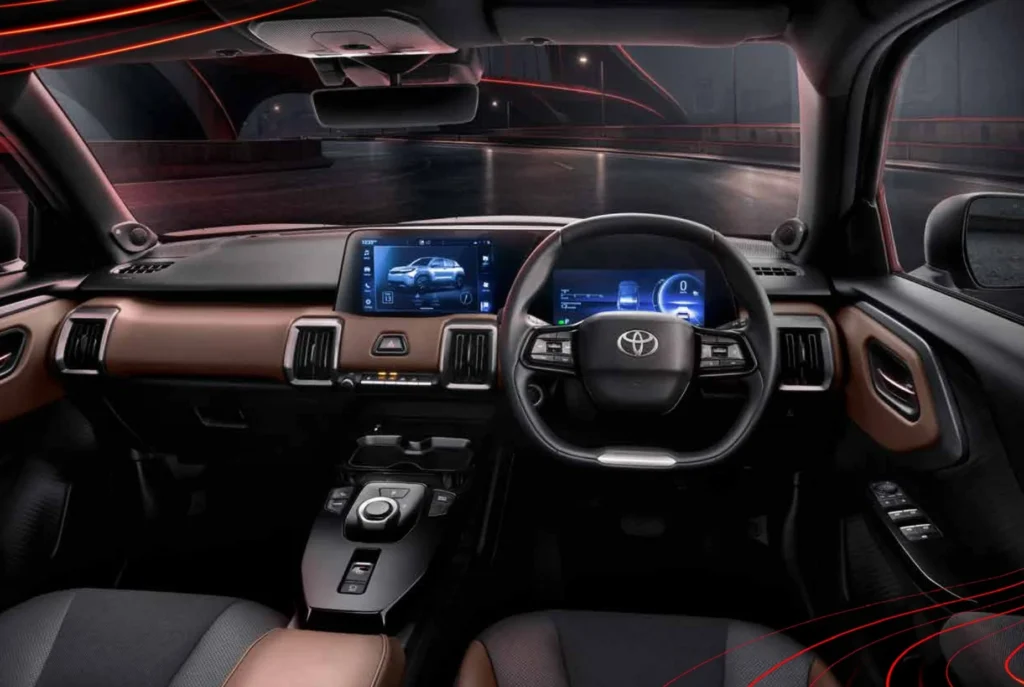
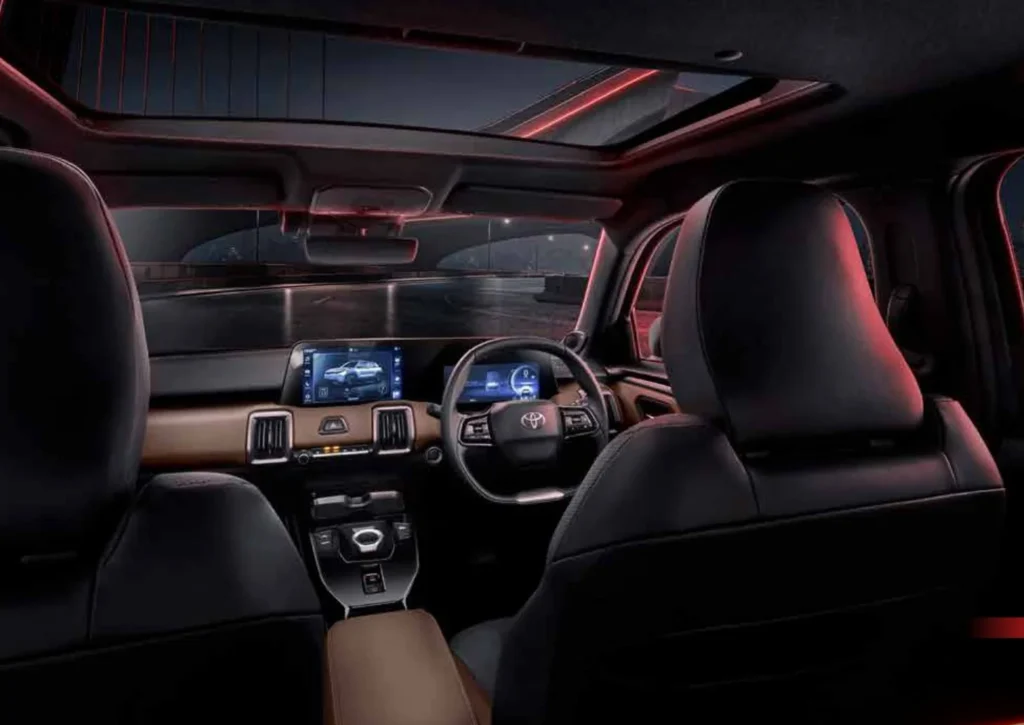
Step inside and you will be amazed with its fit, finish and much improved quality, all of which feel bit premium. It comes in a black and brown dual-tone and dark theme. The dashboard layout is simple, consisting of a long dash panel that holds the instrument cluster and touchscreen unit, looks clean.
Soft-touch materials are used on the dashboard and on the steering wheel. It used synthetic leather on the dashboard, D-shaped steering wheel flat top and bottom, centre armrest, and front door pads. The cabin also got some silver and glossy black inserts, and the seats also have the black and brown synthetic leather & fabric upholstery. The doors can be open wide, so get in and out of the front seats is easy.
The cabin is wide enough, there is enough space between the front seats to sit comfortably. The front seats are soft and very comfortable with a good amount of bolstering, and the under-thigh support is decent but not good enough. A large single panel housing both the 10.1-inch touchscreen and the 10.25-inch digital instrument cluster give a clean and simple look. Though two screens are not aligned or identically sized, but they are very well positioned and easy to use.
The touchscreen user interface is simple and easy to use but its bit slow, and all the basic functions are controlled by the submenus. The floating centre console houses a rotary drive selector along with other switches. The D-shaped steering wheel is adjustable for height and reach and carries the controls for the ADAS functions and media, so you can adjust safety and audio settings without taking their hands off.
The driver’s seat comes with 10-way adjustment with good amount of travel. Front and side visibility are very good, but the rear visibility is not good due to the small windshield. All controls, like the steering-mounted buttons, stalks, A/C controls are well within reach. There’s a large storage bay beneath the central console, and overall storage spaces is more than enough and thoughtfully designed.
All doors can hold a 1-litre bottle and the glovebox is medium-sized, and an open storage compartment below the central console, with a 12V power outlet and two USB ports. The centre console has a wireless charger and two cupholders. The rear armrest has two cupholders and below the rear A/C vents are two USB ports and a slot to keep a smartphone. But the raised floor makes a knees-up seating position in front and rear plus the lack of a flat floor.
The rear seat can slide and recline in a 40:20:40 split manner, and the middle portion can be folded down as an armrest, but it creates a cavity that exposes the boot to rear occupants. It got a claim a boot capacity of 306 litres, which is small compared to the rivels. But the boot can accommodate three cabin-sized bags with room to spare for smaller items. And it offers a full-size spare wheel under the floor, but there’s no frunk in the Ebella.
Features: Toyota Urban Cruiser Ebella
The Toyota Urban Cruiser Ebella is loaded with a good amount of features. It comes with auto headlamps and adaptive high beam, rain sensing wipers, an electronic parking brake with auto hold, keyless entry.
10-way electrically adjustable driver’s seat and sliding and reclining seats at rear, one-touch up & down, front windshield with noise and IR cut, ventilated front seats, 10.25-inch digital instrument cluster, 10.1-inch touchscreen which supports wireless Android Auto & Apple CarPlay.
A fixed glass roof, 10 speaker JBL audio system, auto-dimming IRVM, 12-colour ambient lighting, wireless charger, auto climate control system with PM2.5 air filter, 360-degree camera, connected car features, and drive modes, with adjustable regen. The touchscreen gets navigation, and a voice assistant.
Drivetrain:
It offers in two batteries, the base variant comes with a 49 kWh lithium-ion battery pack which has a claimed range of 440 km. This coupled with an electric motor which makes around 142 bhp and 193 Nm of peak torque. The upper variant E3 gets this bigger 61 kWh battery pack with a 543 km range. Which powered a permanent magnet synchronous motor which is mounted at front and makes 172 BHP & 193 Nm.
The E3 has a kerb weight of 1,815 kg, so the power-to-weight ratio is 95 BHP/ton and a torque-to-weight ratio of 106 Nm/ton. The car is front wheel drive. 3 drive modes : Normal, Eco, and Sport. Fast charging is also supported it comes with a 7.2 kW wall box charger. 10-80% charge can be done in approximately 45 minutes using a DC fast charger.
Driving: Toyota Urban Cruiser Ebella
Power delivery is smooth and linear. This car have enough torque that it will crawl forward without any accelerator input. The EV powertrain is smooth and doesn’t have any jerks or winding sound, which gives you an extremely refined experience. The car comes with adjustable regen braking, but even with the strongest level, it still need the brake pedal pushed to bring the car to a halt. But a proper one-pedal driving feature is missing.
It comes with 3 drive modes – Eco, Normal and Sport and three regenerative braking levels and a default level. Regenerative braking adjustment can only be done when the vehicle is stationary, via a submenu on the screen. There is a physical button to switch regen on or off, but level settings are on the screen.
Normal Mode: It is the default mode and works very well in the city as well as on the highway, giving a good balance of power and economy.
Eco Mode: It extend maximum range, and the throttle response is bit down, which gives a smoother drive.
Sport Mode: Throttle response became sharper, and It is best to use it on highways when you need to overtake slower vehicles very quickly but gives the lowest economy.
It also gets a Snow Mode, which gives better traction on snow and slippery surfaces.
This car gets stabilizer bar with MacPherson strut suspension at the front and a multi-link setup at the rear. It uses 18-inch alloy wheels with 225-55 section tyres. Like most EVs, the suspension setup is on the stiffer side. The low-speed ride is bit bumpy, and large-sized bumps are feel into the cabin. At higher speeds, the ride quality is much improved.
Straight line stability is good and you can maintain high speeds for long. In corners, there is minimum body roll, but it is well-controlled, While taking corners at high speeds, the car feels stable. Like most cars it gets electric power steering. The steering is light at city speeds, making it very user-friendly, and when it gains speed, the EPS weighs up reasonably well. It comes with ventilated disc brakes at the front and rear, and the stopping power is very good and the car stopped without any hesitation.
Pros and Cons:
Pros:
Bold design blended with a sturdy build.
Interior design is good and decent quality levels.
Motor offers good performance and the 61 kWh battery pack is bigger than most competitors.
Light steering makes it an ideal city car.
Features loaded like auto headlamps, auto wipers, electrically adjustable driver’s seat, seat ventilation at the front, digital cockpit, wireless Android Auto & Apple CarPlay, JBL audio with woofer, drive modes, adjustable regen etc.
Solide safety package includes ADAS Level 2, 7 airbags, 360-degree camera and more.
Toyota’s reliability standards.
It is also available with BaaS (Battery as a Service).
Cons:
Rear space is not good for tall passengers.
Boot space is less compared to others and no frunk either.
The ride is on the firmer side due to the stiffer suspension and 18-inch wheels.
Many functions and settings are in the touchscreen and less amount of physical knobs and buttons.
Some features are missing such as one-pedal driving, panoramic sunroof, etc.
Verdict:
Despite being pureborn EV, the Toyota Urban Cruiser Ebella has several weaknesses, like the cramped cabin, a small boot, a slow infotainment system and a firm ride quality. But on the other hand, its interior quality is quite good, the powertrain is very smooth to drive, and gives a strong efficiency.
It’s not trying to do some aggressively futuristic new EV formula or a big flashy SUV, so it does not overwhelm the market. Instead, it is a carefully designed, practical electric SUV build for families who want range, brand trust and daily usability. Raised floors and firm suspension are not a deal braker.
The boot partition is small but manageable. And to sweeten the things, Toyota is offering an 8-year battery warranty, a 60% buyback after three years, and a battery-as-a-service option. It offers a long range, a premium cabin, and a good list of safety features like seven airbags and Level 2 ADAS, so it is a clear win. The Urban Cruiser Ebella can be a very good option for buyers who want a compact electric SUV with good range and practical features.